Translate

Showing posts with label lima feed machine. Show all posts

Wednesday, September 28, 2022

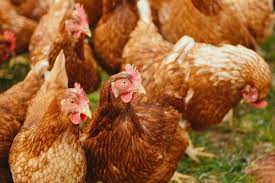
Give reasonable calcium supplementation for laying hens

 Do you have a chicken farm, if yes, you can come to see this article.

Calcium is an indispensable feed for laying hens. If there is insufficient calcium in the feed, it will directly affect egg production, egg shell thickness, egg fertilization rate, chick hatching rate and serum calcium content. Go to see the livestock feed processing line.

1. Calcium supplementation time: When hens are in continuous production, they usually lay eggs in the morning, and the next yolk is discharged from the ovary into the fallopian tube half an hour after the egg is laid. Therefore, continuous-producing hens do not need calcium supplementation in the morning. After 14:00 in the afternoon, with the increase of eggshell deposition rate, the amount of calcium feed that chickens eat also increases. Therefore, in order to make laying hens produce more eggs and produce good eggs, it is best to supplement calcium feed for laying hens from 12:00 to 18:00 every day.

2. Calcium supplementation method and effect: The calcium source feed can be placed alone, and the chicken can eat freely, or it can be mixed with the feed. According to the experiment, calcium source feed has a good effect on improving egg production, egg fertilization rate, hatching rate of chicks, serum calcium content and egg shell thickness.

3. The amount of calcium supplementation: The production of laying hens requires calcium supplementation, but it is not the more the better. Generally, laying hens need 4.4 grams of calcium per egg, and the calcium content in the diet is 3.0%-3.5% to meet the production needs of laying hens. If the calcium content in the diet exceeds 4.0%, adverse symptoms will occur: on the one hand, the palatability of the feed will become poor, and the feed intake of the flock will decrease; on the other hand, it will cause the accumulation of urate in the laying hens and cause indigestion And cause diarrhea, severe gout symptoms will appear. Therefore, calcium supplementation for laying hens must be paid attention to in a timely and appropriate amount.

Any questions, you can come to lima contact.

Friday, September 23, 2022

Different stages--physiological features of laying hens

Improper management will directly affect the physique and egg production of laying hens in the later stage.

To do a good job of feeding and management in the early stage, you must first understand the physiological characteristics of laying hens. We generally divide it into three stages, the brooding stage, the breeding stage, and the egg-laying stage. Do a good job in the early feeding and management, mainly in the brooding and breeding stages.

1. The brooding stage

1-6 weeks old is the brooding period of commercial laying hens. The digestive function of chicks is not perfect after hatching. The need for nutrients depends on two sources. One is to supply nutrient-rich and digestible, high-protein feed; the other is to rely on The nutrients provided by the yolk that are not fully absorbed in the chick's own abdomen. The brooding period is the period of the phylogeny of the chicks. The various tissues and organs of the chicks develop gradually from imperfect or non-functional functions. The chicks have poor resistance to various external stress factors and mainly rely on the protection of maternal antibodies. Diseases are highly susceptible to environmental influences, resulting in pathological phenomena and even death.

2. Breeding stage

7-18 weeks of age is the breeding period. The breeding period is the vigorous period of growth and development. The functions of each system of the body have basically been developed, so the absorbed nutrients are basically transformed into the growth of bones and muscles. With the growth of laying hens, their own The deposition ability of calcium substances will increase, and fat deposition will also increase. If the feed mix is improper, it will easily lead to obesity of the body, which will seriously affect the egg production and egg quality of the laying hens in the later stage. Lay the foundation for the long duration of the peak period and the high egg production rate.

At the same time, it should be noted that the breeding stage is a critical period for the growth of the body. In addition to ensuring the balance of nutrition in all aspects, it is necessary to timely transfer the group, timely change the laying hen feed, increase the light time, and create suitable temperature and humidity for the chickens. and comfortable environment. Go to see the animal feed machine.

3. Egg-laying stage

Due to the physiological characteristics of chickens during the laying period, the chickens have strong hormone secretion, strong reproductive system metabolism, light sensitivity, high nutrient metabolism rate, high production intensity and poor resistance. All kinds of stress should be reduced, the occurrence of unexpected events should be avoided as much as possible, and the peak period of egg production should be maintained for a longer time (12 months).

It is recommended to weigh the brooding and rearing stage once a week, and replace the feed of the next stage in time according to the weight standard. When the body weight reaches 1350 grams, it is necessary to increase the light.

If you have any questions, you can come to lima contact.

Friday, September 16, 2022

Some tips on meal feed for fish

 Here are some tips on meal feed for fish.

Cake meal is the residual part of oilseeds after extracting most of the oil, including soybean cake, peanut cake, cottonseed cake, rapeseed cake, sesame cake, sunflower cake, or meal. This kind of feed has high crude protein content and is the main protein source in fish feed. In recent years, it has been widely used to replace expensive fish meal in fish compound feed with good effect. However, this kind of feed generally has the following shortcomings: 1. Low methionine content, more phosphorus and less calcium, lack of carotene, etc. It contains some toxic substances, which affect its palatability and digestibility. In the case of excessive heating, the protein will be denatured and the protein digestibility will decrease. For safety reasons, the following precautions should be taken when using cake meal in fish feed:


1. Because of the harmful substances such as antitrypsin, the raw soybean meal has poor palatability and low utilization rate of feed protein. It should be used after proper heat treatment (110, 3 minutes).

2. Cottonseed meal contains gossypol and other harmful substances. Note that the proportion of adult fish feed should be controlled below 30%, and the amount of cottonseed meal in parent fish feed should not exceed 5%. When the proportion in the adult fish feed exceeds 15%, it must be detoxified before use. There are many methods for detoxification of gossypol, such as cooking method, alkaline water soaking method, ferrous salt method, yeast fermentation method, etc. Among them, ferrous sulfate method is the most simple and thorough. The amount of ferrous sulfate added is generally the free gossypol in cottonseed cake. 5 times the content. Hope you can see the diesel engine fish feed pellet machine.

3. Rapeseed meal contains a series of toxins or anti-nutritional factors. In order to improve its use effect and avoid poisoning, it is generally used in limited quantities (the dosage should be controlled below 20%) and strengthened with matching (used in conjunction with fish meal and bean cake) or adding Lysine. When the dosage is large, it should be detoxified. At present, the method of burial or fermentation is generally adopted, and it can also be detoxified by soaking in organic solvents.

4. Peanut cake contains antitrypsin, so it should be heat-treated before use. Generally, the antitrypsin is controlled at about 120. Shelled peanut cake has low crude protein content, high crude fiber content and low feed value, so it is not suitable for carnivorous and omnivorous fish, and herbivorous fish are also limited in use.

5. Sunflower cake has good palatability, and the quality of shelled cake is comparable to that of soybean cake, and it is non-toxic. The content of calcium, phosphorus and vitamin B group is higher than that of soybean cake, so it is an excellent protein source in fish feed. However, the shelled sunflower cake contains a lot of lignin, which not only makes the crude fiber difficult to digest, but also reduces the digestibility of nutrients. Generally, the dosage should be small, and it should not be used as meat and miscellaneous fish feed.


Hope you can come to see lima machinery.

Tuesday, August 30, 2022

Tips Affecting the Feed Mixing Machine

The main factors affecting the mixing uniformity of compound feed are: the mixer, the main physical properties of the material to be mixed, the filling amount of the mixer, the mixing time and the specific operating conditions.


1. The influence of mixer on mixing

In general, the mixer performance:

1. High mixing uniformity, no dead angle, less material residue;

2. The mixing time is short, the production efficiency is high, and it is matched with the whole unit (including connection and power matching);

3. The structure is simple and sturdy, the door switch is flexible, the operation is convenient, and it is convenient for testing, sampling and cleaning;

4. With suitable power matching, it can work normally under full load;

5. On the premise of ensuring the mixing quality, the energy consumption is low.


The models of mixers can be divided into many types according to different classification methods, mainly including horizontal, vertical, horizontal paddle, drum, left and right, planetary, rotating container, V, double cone, etc. There are two types of intermittent working type (batch type) and continuous working type. The product manufacturing level of different mixer manufacturers will definitely have advantages and disadvantages. When purchasing a mixer, you should choose a mixer with a higher manufacturing level according to your own production needs.


Different types of mixers have different mixing methods, and practice has proved that some mixing objects (materials) have the best mixing effect in a certain way, so it should be achieved according to different mixing objects and the mixing goals required by the producer itself ( effect) to choose different types of mixers.


It is difficult for the paddle mixer to mix the powder evenly, but when the feed needs to be added with molasses, and the addition amount is as high as 30%-40%, it is quite suitable to use this mixer for mixing; while the double cone The V-type mixer and the V-type mixer are more suitable for mixing materials with good fluidity and poor fluidity, respectively. If the particle size (thickness) between the mixed materials is close, a vertical mixer should be used, and when the particle size difference between the mixed materials is large, a horizontal mixer (and a rotary container mixer cannot be used) should be used; if If the residual amount is less, a horizontal or rotating container mixer should be used.


In addition, if the mixing requirements are high, the rotary container mixer should be used, but its production capacity is generally low; while the mixing effect is generally required, vertical, horizontal or continuous mixers can be used. production capacity is relatively high.


The level of mixing efficiency, the length of mixing time, and the speed of mixing are mainly determined by the model of the mixer and the manufacturing accuracy of the equipment itself. Generally speaking, the time required for uniform mixing in a horizontal mixer is relatively short, while that in a vertical mixer is longer. Of course, the length of the mixing time also depends on other factors such as the type of raw materials and their physical properties.


2. The influence of the main physical properties of the mixed materials on the mixing

The closer the main physical properties of the mixed materials, the smaller the separation tendency, the easier it is to be mixed uniformly, the better the mixing effect, and the shorter the time required to achieve uniform mixing. Physical properties mainly include particle size, shape, bulk density, surface roughness, flow characteristics, adhesion, moisture content, fat content, pH, etc. of the material. The material particles with high moisture content are easy to agglomerate or form agglomerates, and it is not easy to disperse uniformly, and the mixing effect is not satisfactory. Without affecting the required effect of the formula, if necessary, an appropriate amount of silica, precipitated calcium carbonate, etc. can be added, which is beneficial to improve the mixing effect.


Some additives in the feed need to be premixed with a carrier (or diluent) before being added to the mixer to make an additive premix, and then added to the mixer in a certain order to mix with other components. The particle size of the additives that need to be diluted is generally finer, so a carrier with a particle size and density close to it should be selected. Suitable carriers include commonly used feed ingredients, such as soybeans, wheat bran, defatted rice bran, etc. Generally, materials with fine particle size, no dust, and affinity for the active ingredients in the additive are selected as diluents (or carriers), which are suitable. The choice of neutral materials is conducive to maintaining the stability of vitamins and other active components.


3. The influence of the filling amount of the mixer on the mixing

The mixer mainly relies on three mixing methods of convection mixing, diffusion mixing and shear mixing to make the material move in the machine to achieve the purpose of mixing the material evenly. Important prerequisites for obtaining the desired effect. If the material is loaded too much, the mixer will be overloaded, and more importantly, the excessive amount of material will affect the circulation process of the material in the machine, resulting in a decrease in the mixing quality; if the material is too small, it will not be sufficient The efficiency of the mixer is used, energy is wasted, and it is not conducive to the flow of materials in the mixer, which affects the mixing quality.


Various types of feed mixers have their own reasonable filling coefficients. Their respective reasonable filling coefficients have been obtained in the laboratory and practice. Among them, the batch (intermittent) horizontal ribbon mixer has its filling coefficient Generally, 0.6-0.8 is appropriate, and the highest material position should not exceed the plane of the top of the rotor; the filling coefficient of batch vertical screw mixers is generally controlled at about 0.6-0.85; drum mixers are about 0.4; planetary mixers It is about 0.4-0.5; the rotary container mixer is about 0.3-0.5; the V-type mixer is about 0.1-0.3; the double-cone mixer is about 0.5-0.6. The filling coefficient of various continuous mixers is not the same, generally controlled at about 0.25-0.5, not more than 0.5.


4. Appropriate mixing time

In most compound feed production lines, the most commonly used mixers are basically batch type, and for batch type (batch type) mixers, there is also a problem of optimal mixing time. If the mixing time is too short, the material will be discharged without being fully mixed in the mixer, and the mixing quality will definitely not be guaranteed. However, it is not that the longer the mixing time, the better the mixing effect. Experiments have shown that any material with good fluidity and uneven particle size has a tendency to separate. If the mixing time is too long, the material will be excessively mixed in the mixer. It will cause separation, which also affects quality and increases energy consumption. Because in the mixing process of materials, mixing and separation are carried out at the same time. Once the mixing and separation reach a certain equilibrium state, the degree of mixing is already determined. Even if the mixing continues, the mixing effect cannot be improved. resulting in separation. The mixing time should be determined according to the combination of factors such as the model of the mixer and its manufacturing level, the physical properties of the material and the actual test results, which is not the same concept as the length of time required for the simple model itself. The mixer is used for a period of time, and various parameters may change, so it is necessary to check and test regularly, and adjust the time required for mixing correctly according to the inspection results.

5. Correct operation

For the production of additive premix, the stirring method should be gradually expanded from micro-mixing to small-volume mixing to medium-volume mixing and then to large-volume mixing. The correct order of adding materials should be: the components with large proportions are added first or most of them are added to the machine, and then a small amount and a small amount of components are added on top of it; among various materials, generally the components with large particle size are added. Add the mixer first, and then add the small particle size; when the specific gravity difference between the materials is large, generally add the material with a small specific gravity first, and then add the material with a large specific gravity.


For fixed container mixers, the mixer should be started first and then added to prevent the phenomenon of full load start-up, and it should be stopped after unloading; while the rotary container mixer should be started after feeding, first stopped, and then unloaded. For the V-type mixer, the materials should be fed from two feed ports respectively. Measures should be taken to minimize the influence of other factors on the mixing uniformity of the completed mixed materials: the mixed materials should be pressed into granules immediately, so that the various components of the materials can be fixed in the granules or directly packed in bags; avoid or minimize The transportation and drop of the mixed materials; the loading and unloading work after mixing should be minimized; the falling, rolling or sliding of the materials should be minimized; the storage bin after mixing should be as small as possible, and the conveying equipment after mixing should preferably be Belt conveyors.


In order to ensure the mixing quality, the running performance of the mixer should be checked regularly, lubricating oil is often added to the bearings and the joints of each movable shaft, and the wear parts should be repaired and replaced in time, and the optimal mixing time should be correctly determined according to the sampling inspection results of uniformity. Regularly check the operation of each switch, clean the sundries in the machine, remove the residual materials around the door switch, make the door switch flexible, and prevent the phenomenon of material leakage.


The mixer machine is important in the production line, and you can also go to see the feed drying machine .

Monday, August 8, 2022

Grinding screen on capacity of crusher and improvement measures

 1. Hole arrangement

The arrangement of sieve holes includes horizontal and vertical holes, both of which are equilateral triangles. The screen with horizontal holes is that the direction of material running is perpendicular to one side of the triangle. The vertical hole is that the running direction of the material is parallel to one side of the triangle. When selecting a screen with a large aperture (aperture>Φ4.0), the way of arranging the holes has no effect on the production capacity. Due to the high production capacity and the impact of the material on the screen, it is easy to choose a screen with vertical holes.


The vertical interval between the two holes just forms a strong support for the screen. When selecting a screen with a small aperture (aperture ≤Φ4.0), the decrease in the overall production capacity of the material also reduces the impact force on the screen. Therefore, a horizontal row of holes with no material incident blind area should be used. Practice has proved that when using small-diameter sieves, under the condition of the same opening ratio and the same thickness, the production capacity of the sieves with horizontal holes is 5%-10% higher than that of the sieves with vertical holes.  


2. Sieve aperture ratio

When selecting sieves, give priority to meeting the requirements of product particle size, and then select sieves with high density and large aperture as much as possible according to the strength that the sieves can withstand. The relationship between the sieve hole diameter and the crushing particle size is generally: the strength of the finished product (1/4-13) the sieve hole diameter. At the request of Liuhe Xinlong, we have achieved an opening rate of 45% for the Φ2.0 screen. The problem is that the opening ratio of the screen is increased, and the powder output efficiency is also improved, but the impact value of the screen is decreased. The cleaning of raw materials cannot be absolutely clean, and some larger sand and gravel can easily break the sieve, resulting in return material, which increases the production cost.


After several tests, on the basis of ensuring the original 42% high opening rate, the aperture on the back side of the screen was increased while the aperture on the front side of the screen remained unchanged. A kind of guide hole similar to ring die is formed. Use with the burr side facing the rotor. Because in the direction of the material flow, when the material passes through the screen hole, it collides with the edges and corners of the burr surface, which can play the role of friction and crushing, and can increase the screening capacity. At this time, the bell mouth increases the material feeding inclination, which just plays a role similar to the material guide hole of the ring die, and the crushing efficiency is significantly improved compared with the original screen.


3.Installation of screen

When the sieve is installed, the sieve with the required aperture of the material particle size is installed on the front side, and the sieve with a larger size is installed on the back side, which can not only meet the particle size requirements of the material but also improve the crushing efficiency. When the sieve is punched, microscopic dents will be formed on the positive side, the circumference of the sieve hole will become smooth and dull, and the cutting ratio will decrease. If the screen is installed with the anti-burr facing outward, it will also cause the material hanging at the burr to block the screen hole, which will affect the powder output efficiency.


4. Failure of the screen

Most of the damage to the screen is caused by foreign objects entering the crushing chamber. Small holes can be reused after repairing by welding. When there are many holes, the effective screen area of the repaired screen is greatly reduced, and then repaired. Use will lose the use value, only to replace the new screen.


When comet craters appear in the sieve hole, the cutting speed will be slower than that of dropping the powder. Even if there is no foreign matter, the sieve should be replaced. If it is used again, the wasted power consumption will far exceed the residual value of the sieve.


5. Influence of temperature rise on production capacity during pulverization

The front-line employees who know crushing may have encountered such a phenomenon. When the crusher first started to work, the crushing speed was very fast. After working for one or two hours, the crushing speed has a slow downward trend. This phenomenon is more obvious especially when making small-aperture sieves for pig feed and fish feed. After the crusher is reversed, the production capacity returns to a state of high production capacity. That is because, after the pulverizer works for a period of time, the heat generated by the hammer hitting the material and the heat generated by the friction of the material colliding with the screen will cause the temperature of the pulverizing chamber to rise.


When the sieve is in such a harsh environment for a long time, the fatigue strength, surface hardness and cutting force decrease, which directly leads to a decrease in the powder yield. It is best to stop feeding at this point and let the grinder run idly for a few minutes. In a few minutes, under the action of negative pressure, the temperature of the crushing chamber can be lowered and the production capacity can be restored.


So you can see the feed crusher machine in LIMA.

Friday, August 5, 2022

Performance of poultry poisoning caused by excessive heavy metals

 The heavy metal elements polluting animal-derived feed products mainly include lead, arsenic, cadmium, chromium and mercury. Bone meal and meat and bone meal may often contain a large amount of lead, arsenic, cadmium and other elements; feather meal and leather protein meal may contain a large amount of lead and arsenic, in addition, leather protein meal often contains a high amount of chromium; fish meal and other aquatic products In addition to a large amount of lead, arsenic, cadmium and chromium, the organism may also contain a large amount of mercury.

1 Fluorine

Bone meal, meat and bone meal and other animal-derived feed products may contain a large amount of fluorine to varying degrees due to different origins and raw materials. Animals raised in natural fluorine-rich areas and industrial fluorine-contaminated areas can accumulate a large amount of fluorine in their bones. Products made from such animal raw materials must contain high fluorine content. Long-term and large-scale use of such products can cause chronic chronic diseases in livestock and poultry. So you can use the floating fish feed machine.

chicken farm


      2 nitrite

      According to foreign reports, sodium nitrite has been used as a preservative in the production of fishmeal. If the amount is too large, it can lead to nitrous acid poisoning in feeding animals, which may be transformed into dimethylnitrosamine, a carcinogen. Ji Zhenyang (2005), He Jin (2006) and other relevant experts reported that when toxic elements exceed the standard, there are the following toxic manifestations.

3 Chrome

Combines with nucleic acid and nucleoprotein in animals, affecting the phosphorus content in tissues; Reduces the activity of amylase and prevents cysteinase oxidation; Impairs the function of red blood cells to carry oxygen, causing lung cancer, especially lysis Chromium compounds, which are acid insoluble in water, are more dangerous.

4 Cadmium

Reduce the weight gain and feed conversion rate of broilers; Cause anemia in pigs, cause sheep anemia and renal dysfunction; Cause sperm inactivation in male animals; , Humoral immunity has inhibitory effect, reducing animal immunity.

5 Arsenic

Combined with the sulfur group of pyruvate oxidase, making the enzyme inactive, affecting the normal metabolism of cells, leading to cell death; Harming nerve cells, causing polyneuritis and central neurasthenia, paralyzing capillaries, and causing tissue nutritional disorders; The International Agency for Research on Cancer announced that arsenic is a carcinogenic factor; acute arsenic poisoning can make animals die in a short time;

6 lead

In the early stage, the excitation and inhibition process of the cerebral cortex can be mildly disturbed, and in the later stage, serious disorder occurs, causing the dysfunction of the sympathetic and parasympathetic nervous systems; Interfering with hemoglobin synthesis; Causing intestinal paroxysmal spasm or paralysis; Causing interstitial nephritis , Kidney atrophy, reducing animal immunity; It can enter the lactating young animals through milk, causing harmful effects; It can enter the fetus through the placenta and endanger the fetus.

7 Fluorine

Causes the reduction of egg production of poultry, the fertilization rate and hatching rate of breeding eggs; Causes the decline of immunity of farmed animals; Inhibits the activity of oxidase and dehydrogenase, affects metabolism, and causes animal weight loss and anemia; Causes bone nutrition Bad, skeletal fluorosis, joint stiffness, tooth coloring, enamel damage; cause cardiovascular disease, gastric cancer, lung cancer, and even death.

Welcome to see LIMA Machinery.

Friday, July 29, 2022

Start shrimp farming at home-rising shrimp indoor

 Why Indoor Shrimp Farming?

Shrimp, often called decapoda crustaceans, are widely available everywhere at a fraction of the price. Many shrimp muscle tails are edible to humans, and they are widely harvested and farmed for human consumption. Shrimp is not only delicious, but an excellent source of iron, calcium, sodium, phosphorus, zinc, magnesium and potassium for vitamins A, E, B6 and B12.

Increased demand for seafood is one of the main drivers of growth in the global shrimp market. The global shrimp market is expected to grow over the forecast period as consumers around the world switch to healthier diets because seafood is considered a healthy source of animal protein.

Consumer demand for fresh and frozen seafood is also a major contributor towards the growth of the global shrimp market. So, starting a shrimp farming business is highly lucrative for the entrepreneurs who want to start an aquaculture project.


The ability to control temperature, avoid airborne diseases and control all environmental factors allows indoor systems to produce more consistent growth and higher yields. This is for the same reason as moving chicken, pork and milk production indoors.


Indoor systems must overcome some traditional limitations as well as new ones. First, the production unit must be much smaller in order to simply fit inside. This is a surprising advantage for indoor systems. Smaller systems are inherently easier to manage, preventing unnecessary problems. When the tank is only 12 feet wide instead of an acre, its easier to detect and mitigate problems. For example, a typical problem might be uneaten or accidental death from infection. If both dilemmas are detected early on as reversible, the potential negative impact on water quality and existing shrimp can be avoided. In the field of large tanks and ponds, it is almost impossible to detect these problems before causing significant damage.


Machines for Making Shrimp Feed

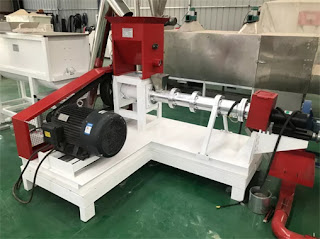
Through the fish feed extruder we can use cheap local raw materials to produce high-quality feed according to the nutritional needs of shrimp, which may save your feed breeding costs. 


It is a good idea to start farming intelligently. A smart farmer always considers the necessary costs and investments and tasks before he starts farming. Heres your guide to understanding these tips and taking some time to think about them before you start your shrimp raising business.


Learn how many types of shrimps are there in the world and decide of them, which one can give you more profit? Also, learn the how much it cost to start a new shrimp farm, depending on the scale of your business. Also, think about the fodder, care, and management needed for the growing shrimps economically. Also, learn how to prepare shrimp nutritious fodder at home only? if you not much capital. Also, think of the space, cost, initial capital required for starting shrimp farming. Also, learn how to test your water to find out the elements present in it.Whatever is this, it is advised to take a visit to your nearest shrimp farm, if available to learn all these points in deeper and also better information about this. Maybe you can see the fish feed packaging machine.


How to Raise Shrimp at Home

Shrimp are a popular addition to aquariums, but they are also a popular cash crop. The price of shrimp has been high compared to other seafood. Many people raise shrimp at home in small or large ponds, make their own tables or sell them as seafood crops. With a little time and effort, you can use some simple guidelines to grow your own shrimp.


Buy baby shrimp from specialty retailers. Buy shrimp 30 to 60 days old to ensure you get healthy shrimp. Start your shrimp tank in early June to take advantage of the shrimps summer growing season.


Set up your shrimp tanks

Allot 10 shrimp per 20 gallons of water to give shrimp adequate personal space. Set up a pump and filter system; line the aquarium with substrate and provide rocks and plants for shrimp to hide. Put the heater and thermostat in the aquarium, and fill it with dechlorinated or distilled water. Turn on the pump, filter and heater, and give the tank 24 hours to settle.


Monitor tank temperature and adjust heater accordingly. Keep the shrimp at 76 to 88 degrees. Temperatures below 60 degrees or above 97 degrees kill the shrimp.


Place the shrimp in the tank. Feed shrimp fish or shrimp food once a day, keeping the water warm and transparent. The shrimp will grow throughout the summer and be ready for harvest in September or October.


And go to see the lima fish feed machine which can help you a lot.

Friday, July 22, 2022

Goldfish Tank Size Guide

Size does matter. Yes, the bigger the better. If you can afford a huge artificial pond in your backyard, the best is yet to come. For the rest of us, the aquarium is the best home for our goldfish.

Here are the parameters that determine the size of the tank you need:

The size and age of a goldfish

When you buy goldfish from a pet store, make sure they are young, so they too have a lifetime to grow. You can also start with a smaller aquarium. However, the obvious disadvantage is that you will need to upgrade to a larger tank as the goldfish continues to grow.

The potential size of a goldfish

There is a legend about the size of goldfish. Goldfish grow with the size of their environment. Indeed, if you put one goldfish in a tank and another goldfish in a pond, there will be far more goldfish in the pond than there are fish in the tank. However, this is not because goldfish grow in the environment. Its because the environment, or the lack of an optimal environment, prevents the goldfish from growing. Therefore, you must take into account the potential size of the goldfish.

For example, a black Moorish goldfish can grow up to 6 inches naturally. Therefore, a 30 gallon /114 liter tank is best for keeping two goldfish. The average goldfish, however, can grow to more than a foot long. So you have to take that into account. The exact number of cylinder parameters may not be hard and fast, but many veteran goldfish enthusiasts believe that 4 times the potential size of the goldfish is the most appropriate length.

Types of goldfish and the number of goldfish

It goes without saying that the more goldfish you have, the bigger fish tanks youll need. Goldfish, on the other hand, can grow quite large over a period of years. So, dont buy 7 goldfish on the first try. Be a miser.

Also, keep in mind that the thinner, ordinary goldfish grow larger than the round, fancy goldfish. Therefore, you will need a larger tank to keep regular goldfish.

Conclusion

After reading a truckload of information, you might not know, So what size aquarium do I need? But if you still put a gun to my head and ask me the same question, I would suggest that if you want your goldfish to grow healthily, start with a 75-to 125-gallon tank. Keep the quantity to a minimum. Dont keep all kinds of goldfish in an aquarium. Keep size to a maximum and quantity and variety to a minimum until you become more experienced.

The size of Common and Comet goldfish tank

For general goldfish and comet goldfish, we recommend tanks at least 4 feet long with a capacity of at least 30 gallons. Of course, this is the bigger the better! So more than that is also good.

If you plan to keep more than one goldfish in your tank, add 12 gallons for each additional fish.

Fancy goldfish tank size

For fancy goldfish, we recommend a tank at least 3 feet long and a capacity of at least 20 gallons.

If you plan to keep more than one goldfish in your tank, add 10 gallons for each additional goldfish.


Any questions about the goldfish, you can come to lima contact and leave your message.

Tuesday, July 19, 2022

How to start fish hatchery business in Nigeria?

Nigerias aquaculture industry is indeed growing at a very fast rate, making fry hatching a good investment. Among other obstacles facing Nigerias fisheries, the lack of viable fry and young fish has been a major setback. In the past, fish farmers have relied on wild fry and young fish as a way to keep them in ponds. It is not enough to build a business; your farm management must be first class.

This is no longer sustainable because of the dramatic increase in demand for fish. Since most fish breed seasonally, there is a shortage of stocking materials. Fry operations are the only solution to this huge obstacle in Nigerias fish farming industry. Local and international demand for fish has been on the rise. This makes fish farmers very dependent on fish farms to provide them with a constant supply of stocking materials. In this article, you will also learn about other fish farming techniques in Nigeria. Your fry hatchery must be designed in a way that benefits the fry.

Machines For Making Fish Feed

Fish feed extruder is a necessary equipment for small and medium-sized fish farms and fish feed processing plants. Through the fish feed extruder we can use cheap local raw materials to produce high-quality feed according to the nutritional needs of fish, which may save your feed breeding costs. Floating Fish Feed Extruder Sinking Fish Feed Extruder

Requirements for Nigerian fry incubation operations

The requirements are the same whether the fish farm is to supply your farm or for commercial purposes. Youll be surprised at the cost of a fish farm, some of the main requirements of a fish farm business include.

Water

The importance of water to the fry business cannot be overemphasized. The water used for fry hatching operations must be continuously monitored to check for any negative changes.

In Nigeria, water used in fry hatching operations must have a constant neutral pH, be well treated and inflated.

Feed supply

Young fish used for fry hatching and young fish must be fed regularly to avoid malnutrition. Young fish feed on plankton, although in confined environments the plankton supply may be limited.

If you want to do a fish hatching business in Nigeria, you have to find a way to encourage the growth and proliferation of plankton in your fish ponds. You can also provide feed to provide the nutrients your baby fish or young fish need. You can buy feed from any aquaculture feed store in Nigeria.

Fish farming

To be successful in Nigerias fry business, your farm must have fish. You must purchase sexually mature males and females that have favorable characteristics to serve your fry career. Mature fish must have a good history and grow quickly.

The market

If you dont have a market to sell your product, you dont have a business. To make your business a success, you should make sure that many fishmongers know about your business and are willing to patronize it.


Welcome to see Lima Machinery which can give you some help in fish feeding.

Wednesday, June 29, 2022

Do you think fish ponds need vitamin supplementation?

Hello:

Fish ponds need vitamin supplementation, 6 grams of oxytetracycline tablets and 3 grams of vitamin C tablets are used per cubic meter of water body, the tablets are ground and mixed, mixed evenly, and fed twice in the morning and afternoon. Feed half the amount from 2 days, and continue to feed for 3 days.


The water quality control technology of aquaculture ponds is based on the pond ecology. According to the annual and seasonal variation laws of ponds and water quality, comprehensive artificial control of aquaculture water quality is carried out in the process of aquaculture.


The water temperature is low in winter and early spring every year, and the ponds can be sorted out, including dry ponds, freezing and drying, and dredging. During the breeding process, most of the nitrogen is removed, while the carbon is synthesized into humus and retained. In dry ponds and sun-dried ponds, aerobic microorganisms need a lot of nitrogen. Greatly increase the decomposition rate of organic matter, improve the effect of drying ponds, and shorten the drying pond time. For overwintering aquaculture ponds, the water level should be kept high in winter, the ice should be broken or the snow on the ice should be removed in time, and the dissolved oxygen content in the water should be maintained and improved. Change the pond water in time in early spring to improve the water quality of aquaculture.


At the same time, adding new water in early spring can also play a role in fertilization, because after various organisms die in winter, their nutrients are released into the water, which increases the nutrient content in the water. Adding water to the pool water can supplement nutrients and promote plankton reproduction. , increasing the amount of dissolved oxygen and prey organisms in the water. When stocking fish fingerlings in spring or autumn, an appropriate amount of filter-feeding fish such as silver carp and bighead carp should be raised to adjust and improve the water quality of aquaculture.


From spring to early summer (March to June), the water temperature continues to rise, and from autumn to early winter (September to November), the water temperature continues to drop. In these two alternating seasons, the water temperature fluctuated at 15-25°C or slightly higher, the temperature difference between day and night was large, the upper and lower convection exchange of the water body was good, and the water quality was in a benign change. According to the different main objects, proper topdressing and feeding can form good water color and water quality. Therefore, these two alternating seasons are the seasons in which farmed animals grow faster, and are also easy to spread diseases and harmful organisms. It is a season that is easy to grow. Therefore, in these two periods, especially in the crossover stage, it is particularly important to control water quality by injecting new water frequently and using symptomatic drugs to prevent diseases.

From July to August in summer, the water temperature is high, often fluctuating around 30°C, and the temperature difference between day and night is small, and the convective exchange between the upper and lower water bodies is poor. The phenomenon of factor stratification is obvious, and the ecological conditions of the pond are very poor.


In addition, the rapid growth of animals in the spring, the increase of the load of the pond, and the accumulation of nutrients in the pond, it is easy to form poor water quality and color during this period. In the event of sudden changes in weather (low air pressure, hot days, thunderstorms), the static state of the pond water will be broken, the water body will exchange violently up and down, and the water quality will be extremely deteriorated.


Therefore, it is necessary to manually control the water quality in high temperature seasons. First, stop using organic fertilizers and use chemical fertilizers smartly when fertilization is needed. Second, frequently inject or replace new water regularly, and urge the upper and lower water layers. Third, use an aerator to stir the water layer to increase oxygen, especially in high temperature and muggy weather, dawn and noon on sunny days, the aerator should be turned on to prevent floating heads or flooding of farmed animals. Fourth, cultivating an appropriate number of aquatic plants in the pond can absorb nutrients in the water body, purify and improve the water quality, and at the same time, it can block sunlight, reduce the temperature of the pond water, and facilitate the growth of animals.


So if you have a fish pond, you can learn the fish production line first, like the feed crushing machine, and fish feed extruder machine which will be used in the line.


Monday, May 9, 2022

Working principle of the mixer machine

The horizontal twin-shaft ribbon mixer is used to mix dry and powdery materials for the purpose of mixing evenly. 

During mixing, the material in the material is moved by two rotors moving in opposite directions, and performs a compound motion. The double-shaft paddle drives the material to rotate in two clockwise and counterclockwise directions along the inner wall of the machine groove. 

Pushing from the inside to both sides, the outer screw drives the material close to the cylinder wall to rotate the axis, and the axial direction is pushed from both sides to the inside, resulting in convection circulation and shear mixing in the material cylinder, completing the rapid and uniform material in a short period of time. mix.


Features:

1. U-shaped barrel structure, stable operation, uniform stirring, no dead angle, clean discharge, and wide application range.

2. The inner and outer double-layer ribbons are staggered and mixed back and forth, with fast mixing speed and high uniformity.

3. Bearings are at both ends of the mixer, the material is not easy to enter, and the maintenance rate is low.

4. The screw conveyor is convenient for feeding, the feeding port is flush with the ground, and the feeding is labor-saving and convenient.

5. The internal structure and overall design materials have passed the ISO9001 international quality system certification.

Come to see the diesel engine fish feed pellet machine in Lima.

Working principle of horizontal double shaft ribbon mixer:

The machine consists of two parts: feeding and stirring.

1. Feeding part: It enters from the feeding hopper, and the material is lifted into the mixer through the screw blade and enters the mixing drum for stirring and mixing.

2. Mixing part: When the material enters the mixing drum, it performs a back-and-forth staggered movement, and the mixing effect is good.

So you can go to see the fish feed making machine for production line which can help you better learn the fish feed.


Friday, May 6, 2022

Feed formula for tilapia

 Tilapia is a tropical fish, belonging to Perciformes and Cichlidae, with the characteristics of fast growth, mixed feeding habits, few diseases and strong adaptability. The distribution of tilapia aquaculture in my country is extremely unbalanced. In southern China, due to the better climate, tilapia aquaculture, especially the aquaculture of Tilapia fingerlings, has developed rapidly, and its output accounts for about 20% of the total output of local freshwater aquaculture- 40%, becoming one of the important freshwater aquaculture species in the southern region.

Let's take a look at the feed formula of tilapia:

(1) Rice bran 45%, bean cake 35%, silkworm chrysalis powder 10%, secondary powder 8%, bone meal 1.50%, salt 0.50%, appropriate amount of "biological fattening essence", "high-efficiency health-care growth-promoting liquid" 10 catties, feed coefficient 2.1.

(2) 35% bean cake, 30% bran, 15% fish meal, 8.50% barley flour, 5% cornmeal, 5% locust leaf powder, 1% bone meal, 0.50% salt, appropriate amount of "biological fattening essence", "high-efficiency health promoting Long liquid" 10 catties, feed coefficient 2.0.

(3) 100% full-price tilapia feed, appropriate amount of "biological fattening essence", 10 catties of "high-efficiency health-care and growth-promoting liquid", 10 catties of water, sprayed on the feed and fed immediately.

And you can see the fish feed extruder machine in Lima.


Formulations suitable for marine or cage culture of tilapia:

Bran 30%, bean cake 35%, fish meal 15%, corn meal 5%, locust leaf powder 5%, barley flour 8.5%, auxin 1%, salt 0.5%.

Formulations suitable for running water or cage culture of tilapia:

Grass meal 20%, fish meal 3%, bean cake 20%, corn gluten meal 20%, rice bran 20%, bran 10%, cornmeal 5.5%, bone meal 1%, salt 0.5%.

Recipe for pond tilapia:

Dry pig manure or cow manure 50%, bran 37%, sesame residue 10%, fish meal 2%, bone meal 1%.

If you want to learn more about fish feed pellet or fish meal making machine, please come to limapoultrymach. We will give you the best quality and service.


Tuesday, April 26, 2022

Ways to get low cost protein for fish feed making

 Fish feed play an important role in the aquaculture production. A balanced fish diet rich in proteins will lead to a greater development and growth of these aqua animals.


In Europe, the production of fish feed is mainly targeted at highly predatory species such as the salmonids, cod, bass and bream. These carnivorous species require a high protein feed. In line with this, the feed receipts have traditionally contained fish meal and fish oil as the major ingredients. Carbohydrates can only be used in limited amounts for energy.

Carbohydrates do, however, often also function as binder for the feed pellets. Small quantities of vitamin and mineral mixtures and other additives are used as well. These additives are important in a monitoring context as they are often regulated in terms of maximal upper limits. And you can go to see the dry type fish feed pellet machine.


Why protein is import in fish feed? One of the most important macronutrients for the fish organism are proteins. High-quality protein and energy sources provide the critical nutritional requirements for the development of body tissues, such as scales, bones, muscle, and nerves. All diets include our exclusive vitamin and mineral premixes, including Stabilized Vitamin C to support metabolism, skeletal development, body fluid regulation, and enzymes.


The ingestion of proteins that contain an adequate balance of amino acids will be one of the determining factors for a good growth and development of the fish. When ingested, the proteins are hydrolysed into amino acids, which will be used for the synthesis of new proteins, with consequent expansion of muscle tissue.


Among the amino acids available in the nature, a part of them corresponds to the essential amino acids. These are not synthesized by the body and must be necessarily acquired through diet. Therefore, it is fundamental that the fish feed has a balance that contemplates all the amino acids that are essential for their development. This factor should be taken into account when formulating feed for this type of animal.


What’s the mainly protein source for fish feed? The main protein source in fish feed has traditionally been fish meal. Fishmeal is made from fish that are ground, cooked, and processed.
It is an excellent source of protein for poultry. It has high levels of essential amino acids such as methionine and lysine, and it also has a good balance of unsaturated fatty acids, certain minerals (available phosphorus), and vitamins (A, D, and B-complex). The use of fishmeal is usually restricted to 5% to 10% of the content of poultry diets.

The quality of different feedstuffs is greatly dependant on the amino acid profile in their proteins, digestibility of the proteins, freshness of the raw materials, and their storage. Plant-based proteins, even when properly processed, are usually not as digestible as fishmeal; and their inclusion rate into the diet is often limited as it results in depressed growth rates and feed intake. Over-all protein digestibility values for fishmeal are consistently above 95%. In comparison protein digestibility for many plant-based proteins varies greatly, for example, from 77% to 96%, depending on the species of plant.
High quality fishmeal provides a balanced amount of all essential amino acids, phospholipids, and fatty acids (e.g.,DHA or docosahexaenoic acid and EPA or eicosapentaenoic acid) for optimum development, growth, and reproduction, especially of larvae and brood stock. The nutrients in fishmeal also aid in disease resistance by boosting and helping to maintain a healthy functional immune system. High-quality fishmeal also allows for formulation of nutrient-dense diets, which promote optimal growth. Welcome to see the fish feed extruder machine.


The fish meal is a limited resource and it is anticipated that the world production will reach a maximum level of about 1.1 million tons. The cost of high-quality fishmeal (65% protein) has ranged from approximately $385 to $554 per ton since the year 2000, or 2.0 to 3.5 times the price of soybean meal. The concentration of high-quality nutrients, especially protein, makes fishmeal one of the most sought and expensive feedstuffs.


Other lipid sources are therefore increasingly being used in aquaculture feed production. The best approach in feed formulation is to use high-quality feedstuffs to manufacture a diet that meets the nutritional and energy requirements of the aquaculture species in question. Fishmeal contains the profile of amino acids that most closely meets the amino acid requirements of fish. If a portion or all of the fishmeal in a diet can be replaced successfully with other high-quality protein sources, doing so will contribute greatly towards protecting the surrounding environment and promoting a sustainable aquaculture industry.

Welcome to see the fish feed production line in Lima.

Super Enamelled Aluminium Strip Grade-1

 What is Super Enamelled Aluminium Strip Grade-1? Super Enamelled Aluminium Strip Grade-1 is a type of coated aluminium strip that is manufa...